Where each style comes from
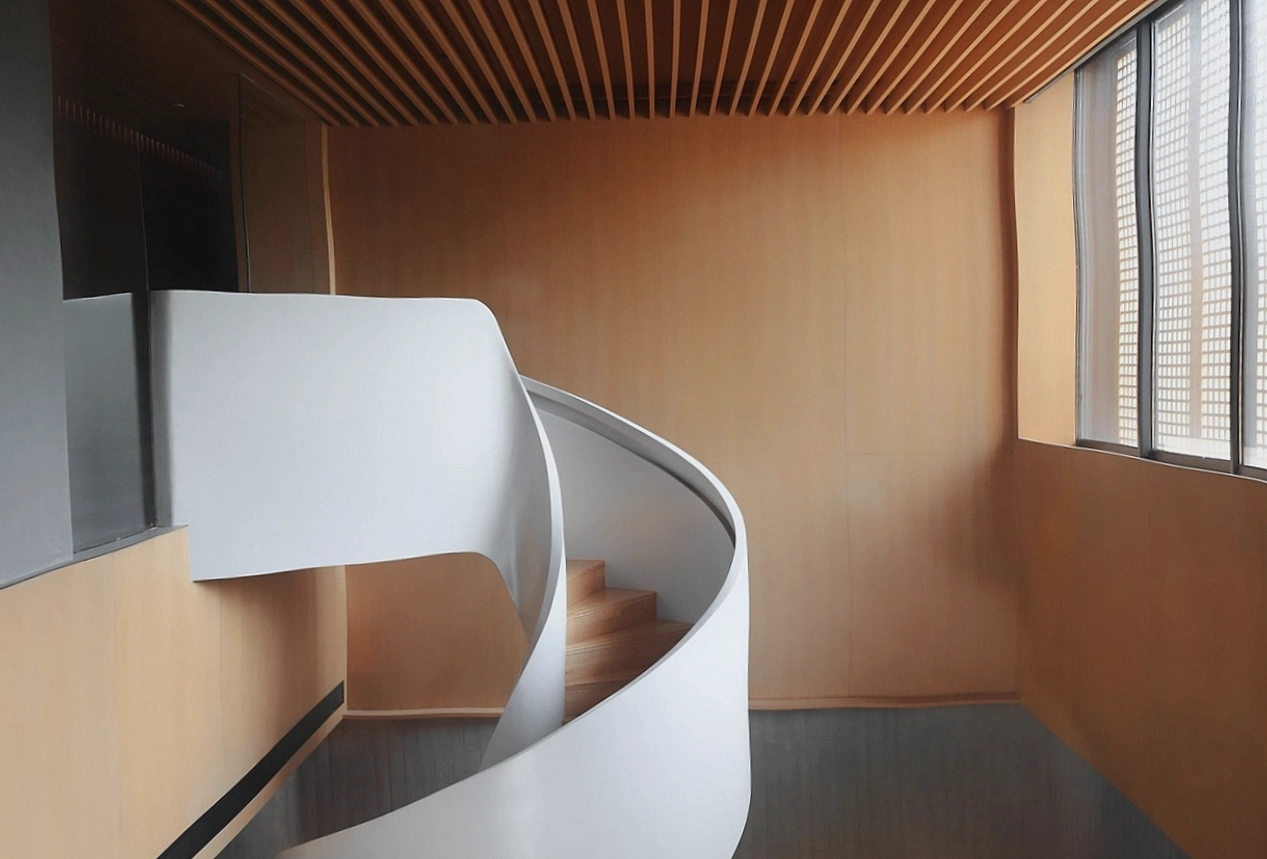
Scandinavian design grew out of long dark winters in Denmark, Sweden and Norway: maximise light, keep rooms airy, add softness to survive the cold. Japandi is a newer blend of that Nordic warmth with Japanese restraint: lower profiles, more negative space, a heavier respect for craft and imperfection.
Same ingredients, different recipe.
How they differ in the room
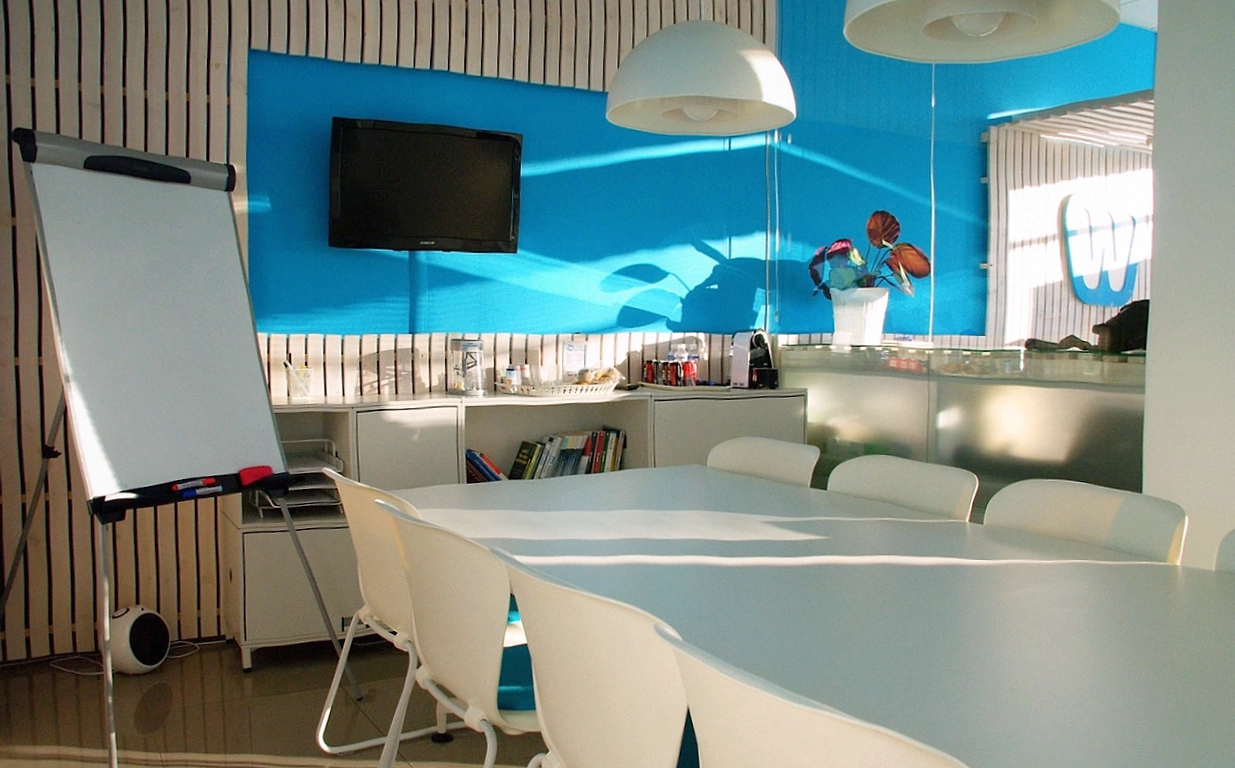
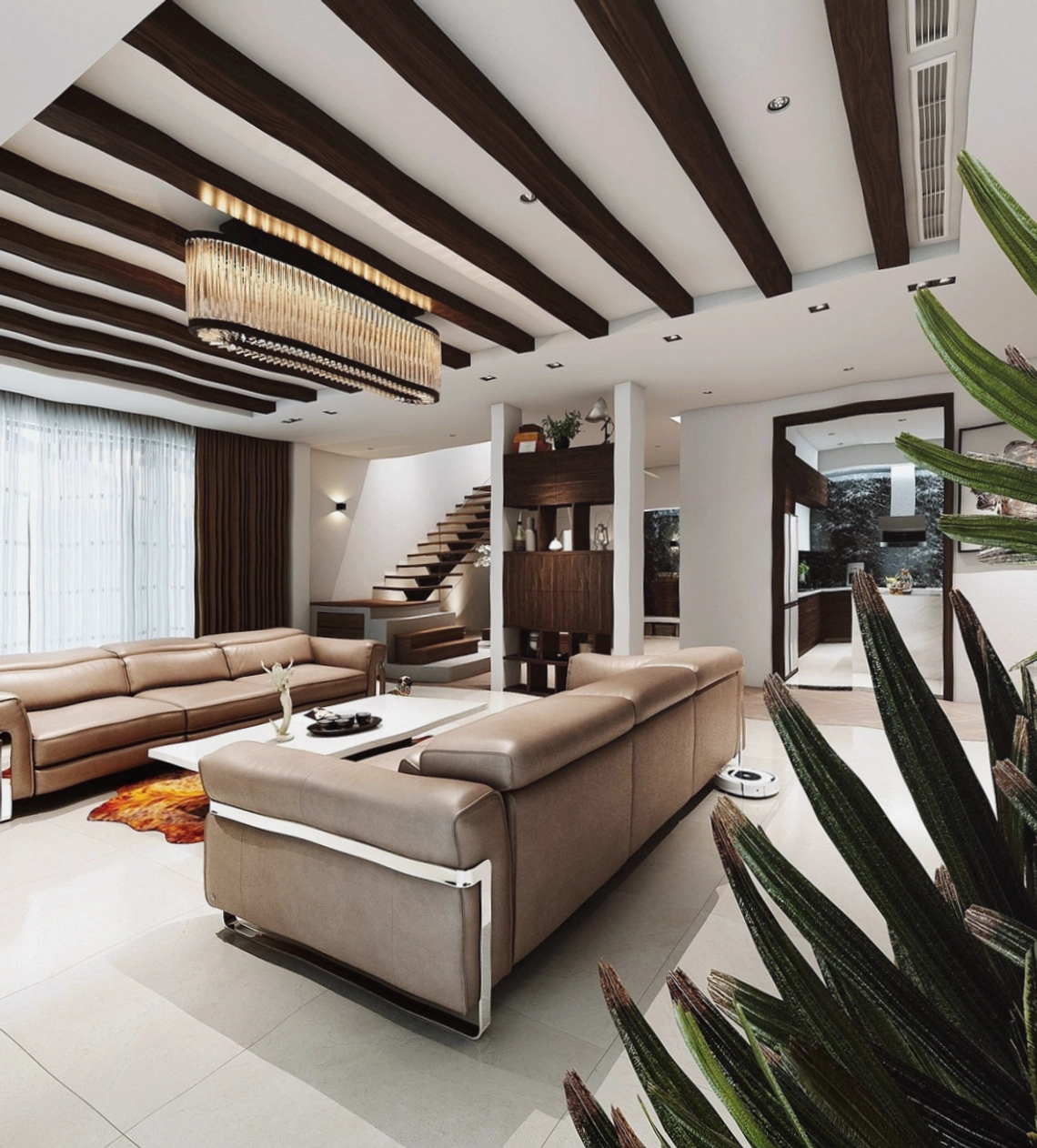
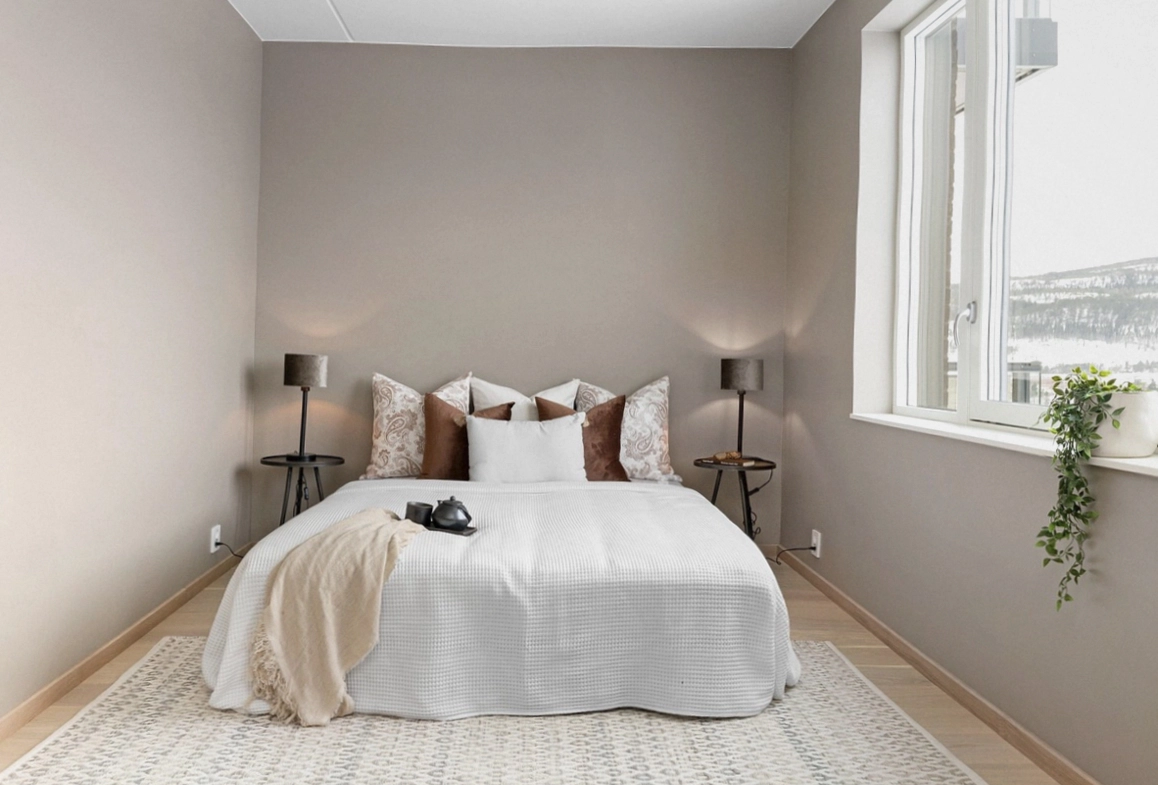
- Palette: Scandi runs light and cool, whites and pale greys. Japandi runs deeper, warm browns, charcoals and muted earth.
- Furniture: Scandi pieces sit higher and lighter. Japandi pieces sit low and grounded.
- Objects: Scandi adds cosy layers, throws and candles. Japandi removes until the room feels calm, then stops.
- Imperfection: Scandi prefers clean lines. Japandi celebrates wabi-sabi, the handmade wobble.
Scandi adds cosy layers. Japandi removes until the room feels calm, then stops.
Which suits Tasmanian homes
Hobart's cool light flatters Japandi's warmer palette, and the style's respect for timber suits the local joinery scene. Pure Scandi can tip chilly here in winter unless you layer it properly.
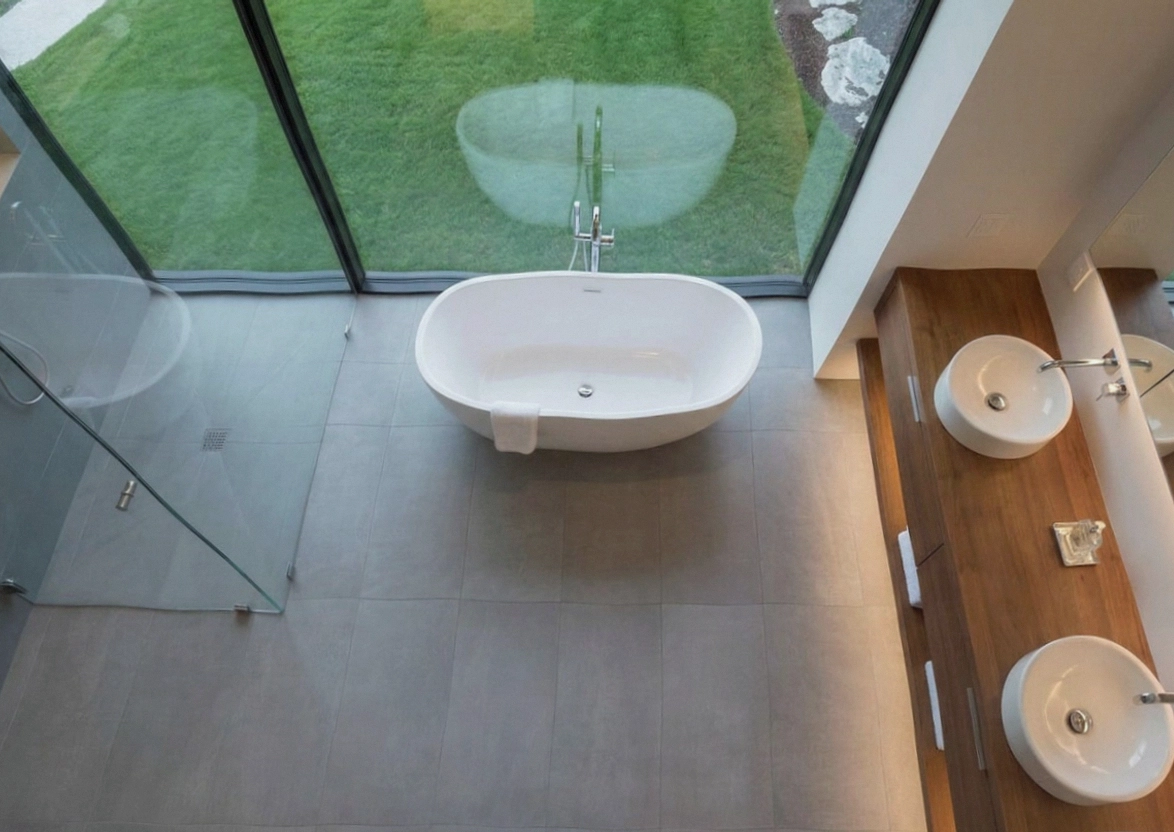
For weatherboards and cottages we lean Japandi. For new builds with big glass and sea views, Scandi works harder. Many of our projects land between the two, which is fine. Nobody inspects your style licence at the door.
Try it without committing
Both styles reward restraint, so test cheaply first: clear a room back to essentials, live with it for a week, then add warmth back one material at a time. If you want a second opinion, our styling service does one-room trials all the time.